
Exploring the cultural tapestry woven by casinos worldwide
The Historical Significance of Casinos
Casinos have a long and storied history that reflects the evolution of cultures across the globe. Initially emerging in Italy during the 17th century, they quickly became centers for socialization, entertainment, and even political discourse. The term “casa” refers to a house, and these early establishments were designed to offer leisure to the aristocracy. Over the years, as gambling laws changed and societal perceptions shifted, casinos began to proliferate, leading to their iconic status in modern culture. For those interested in the latest gaming options, visiting some of the best neosurf casinos can provide exciting opportunities.

In the early days of gambling, casinos were often linked to illicit activities, making them somewhat taboo. However, as governments recognized the potential for economic growth through taxation and regulation, they started to formalize casino operations. This transition allowed for the establishment of reputable establishments, such as those in Monte Carlo and Las Vegas, which became emblematic of the glamour and allure associated with gaming. Each region’s unique regulatory landscape has shaped its casino culture, making it a fascinating study of history.
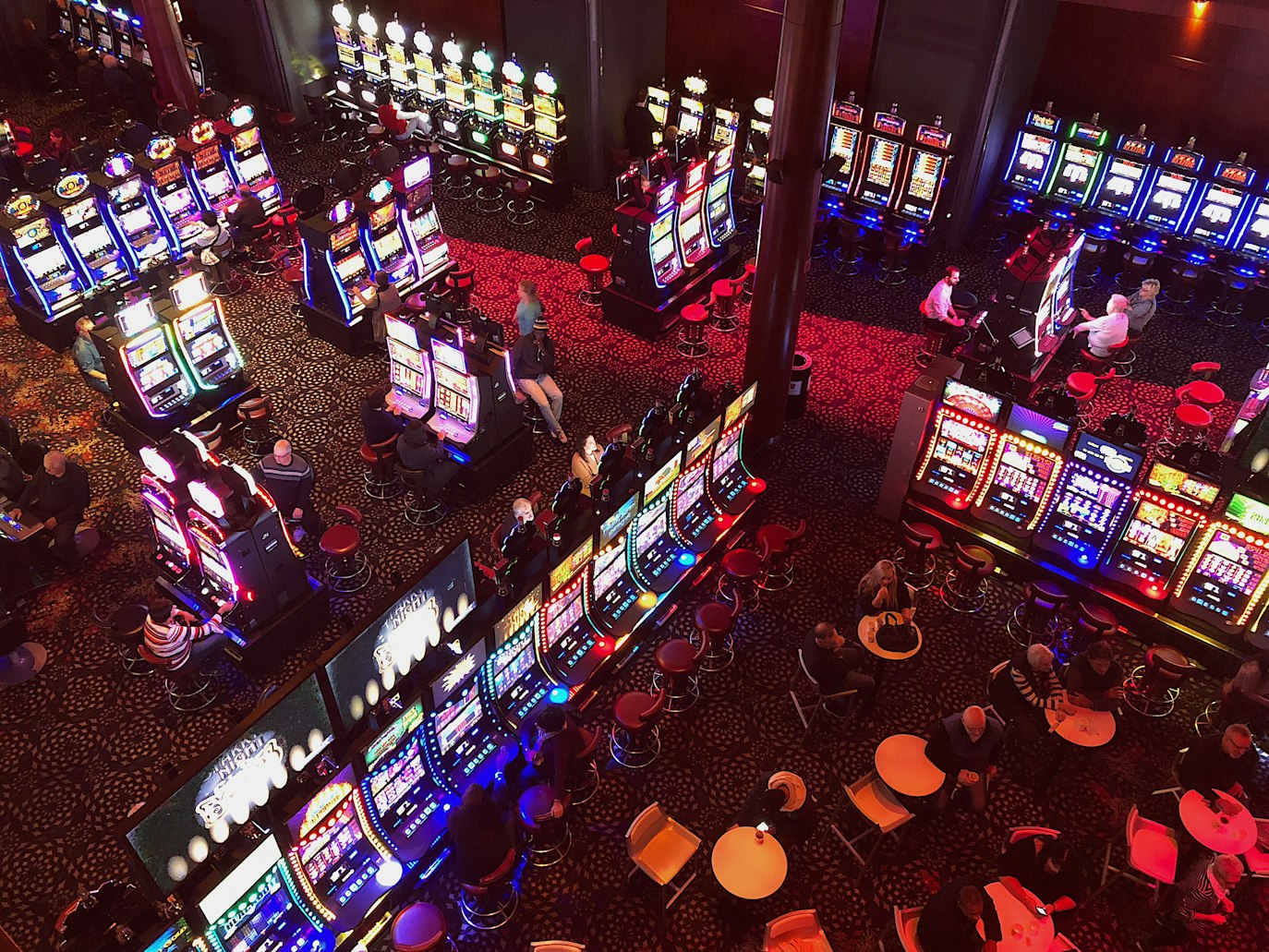
Today, casinos are woven into the cultural fabric of many societies, from the opulent resorts of the Strip in Las Vegas to the intimate, family-run establishments in small towns. They serve as community hubs, hosting events, concerts, and social gatherings. This transformation from illicit venues to legitimate enterprises illustrates the dynamic relationship between culture and commerce, showcasing how casinos have adapted to meet the changing needs of society.
Global Casino Culture and Its Variations
The cultural significance of casinos varies greatly from one region to another, influenced by local traditions, values, and legal frameworks. In Macau, for example, the gaming industry is not only a major economic driver but also an integral part of the region’s identity. The lavish casinos mirror traditional Chinese architecture and often incorporate elements of Feng Shui, creating a unique atmosphere that resonates with both locals and tourists. This blend of cultural heritage and modern entertainment sets Macau apart as a global gaming capital.
Conversely, in parts of Europe, casinos often reflect a more sophisticated and historical context. Establishments like Casino de Paris and Casino Baden-Baden exude elegance and a sense of tradition, emphasizing refined gaming experiences. Here, casinos frequently host formal events, including opera performances and fine dining, attracting clientele seeking an elevated social experience. These venues serve as cultural landmarks, representing both the legacy of gaming and the artistic pursuits of their regions.
In the United States, particularly in Las Vegas, casinos embody the concept of excess and entertainment. The integration of themes, shows, and attractions within the gaming environment creates a unique blend of leisure and spectacle. Las Vegas casinos are known for their innovative designs and immersive experiences, reflecting the city’s identity as a playground for adults. As globalization continues to shape the casino landscape, the exchange of cultural practices can lead to hybrid models, further enriching the global tapestry of casino culture.
The Role of Technology in Modern Casinos
Technological advancements have transformed the casino landscape, influencing how games are played and experienced. From the introduction of electronic gaming machines to online casinos, technology has made gambling more accessible than ever. The rise of online gaming platforms allows players to enjoy their favorite games from the comfort of their homes, breaking down geographic barriers and creating a global gaming community. This shift has also prompted traditional casinos to adapt, integrating digital elements into their offerings to enhance the player experience.
Additionally, advancements in virtual reality (VR) and augmented reality (AR) are set to revolutionize the gambling experience. VR casinos can transport players to immersive environments, allowing them to interact with others in a virtual space while enjoying their favorite games. These technologies not only enhance player engagement but also attract a younger demographic that is more inclined to embrace digital innovations. As casinos continue to evolve, their ability to incorporate technology will play a crucial role in maintaining relevance in an increasingly digital world.
Security is another critical area where technology has made significant strides. Advanced surveillance systems and biometric technology ensure a safer gaming environment for players. Data analytics is also utilized to monitor player behavior and preferences, allowing casinos to tailor their offerings and enhance customer satisfaction. As the industry continues to evolve, the interplay between technology and traditional gaming will be essential in shaping the future of casinos.
The Future of Casino Design and Experience
The future of casinos will likely see a shift toward more integrated and multifunctional spaces. Modern designs are focusing not just on gaming but also on creating environments that promote social interaction, wellness, and entertainment. This approach reflects the changing demographics of casino-goers, who seek more than just gambling. Features like fine dining, spas, and performance venues are becoming essential components of casino resorts, appealing to a broader audience.
Sustainability is also emerging as a key consideration in future casino design. As environmental awareness grows, many casinos are exploring eco-friendly building materials and energy-efficient technologies. This not only aligns with global sustainability goals but also enhances the brand image of casinos as responsible entities. Green initiatives can include everything from energy-efficient lighting to water conservation strategies, creating a holistic experience that respects both the environment and the community.
As casinos navigate these changes, the focus will increasingly be on personalized experiences. The use of data analytics allows casinos to better understand customer preferences, enabling tailored offerings that enhance player satisfaction. Loyalty programs, customized gaming experiences, and targeted promotions will become more prevalent, ensuring that casinos remain competitive in a rapidly evolving market. The future of casinos is bright, marked by innovation and a commitment to enhancing the overall guest experience.
Exploring Online Casino Platforms
In the digital age, online casinos have emerged as a key player in the gambling industry, providing an alternative to traditional brick-and-mortar establishments. These platforms offer a wide array of games, from classic table games to innovative slots, catering to diverse preferences. Players can enjoy the thrill of gambling from anywhere, making online casinos an increasingly popular choice. The convenience of instant deposits and secure transactions has further enhanced the online gaming experience.
Moreover, online casinos often provide extensive educational resources, helping new players familiarize themselves with games and betting strategies. Tutorials, guides, and customer support services contribute to a more informed gaming community, fostering responsible gambling practices. This emphasis on player education highlights the industry’s commitment to creating a safe and enjoyable gaming environment.
As technology continues to advance, online casinos will likely incorporate more interactive elements, including live dealer games that mimic the atmosphere of physical casinos. This hybrid approach bridges the gap between virtual and real-world gaming, offering players an authentic experience from the comfort of their homes. The ongoing evolution of online gaming platforms will play a significant role in shaping the future of the casino industry.